Summary
According to many Mac users, it's a common case that they lose Mac files after factory resetting Mac or reinstalling macOS/Mac OS X. On this page, you will learn how to recover files after factory reset Mac or reinstalling macOS using EaseUS Mac data recovery software and other manual methods. We'll also cover a complete guide to help you securely reset MacBook Pro, MacBook, etc. without losing any data.
On this page, you will uncover practical solutions to undelete and restore Mac file after factory reset and an extra guide of how to reset MacBook Pro without losing any data.
Applies to: MacBook Pro, MacBook, MacBook Air, iMac, iMacPro, etc.
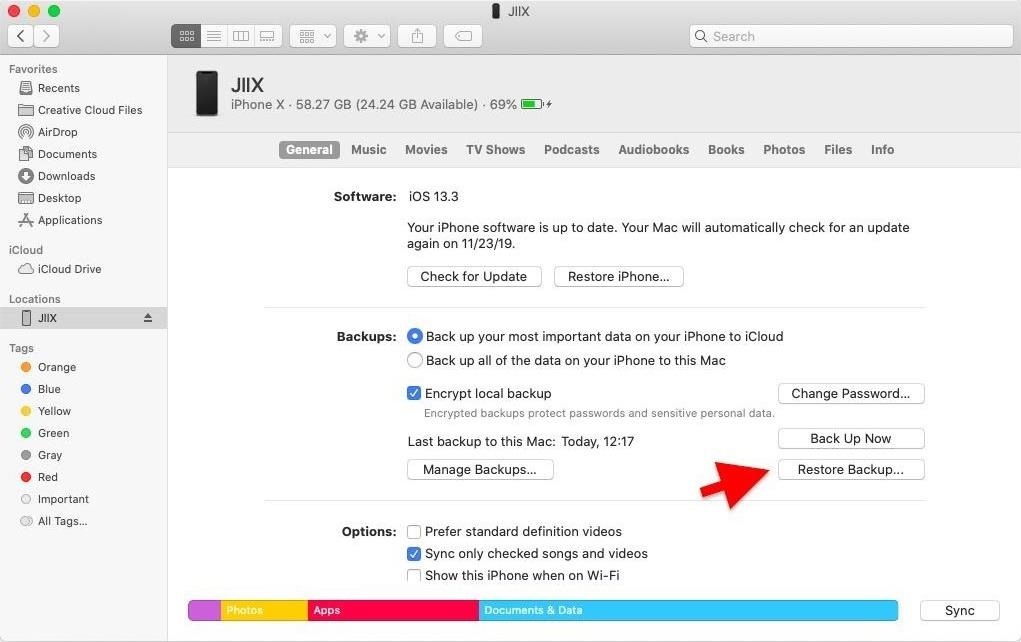
How Do I Recover Files from My MacBook after Factory Reset?
'Recently, I reinstalled my whole macOS on my crashed MacBook, and then I found some files such as photos and documents are gone after reinstalling macOS.
Is there a way that I can apply to recover files after reinstalling macOS?'
According to most Mac users, reinstalling macOS, Mac OS X, or factory resetting Mac always follows a system crash, computer slowdown, or even when Mac users need to erase their old Mac computer for sale.
Can You Recover Files after Factory Reset Mac or Reinstall macOS? Yes!
Even the best Mac data recovery software does not guarantee a 100% recovery rate to recover the deleted download folder on Mac. For maximizing the chances of recovering your deleted data on a Mac, a few tips like the ones given ahead can be helpful. Best Way to Restore Mac OS Without Losing Your Data It’s great that you have decided to restore MacOS, there are many beneficial aspects to it, but there is a big let down as well, the loss of data.
Click on the System Preferences option from the Apple menu located at the top left part of your.
Usually, you may lose some of your files on your Mac after the macOS or Mac OS X reinstallation. When you are facing data loss problem, you may wonder whether you can recover files lost due to reinstalling macOS or Mac OS X. The answer is YES!
macOS reinstallation or factory resetting Mac only executes a quick erase of the volume. As a result, it will erase the file directory but does not write any data to the drive, so the original data will not be overwritten.
This fact makes it possible to recover files after reinstalling Mac operating system as long as you take quick action.
Note that you should stop using your computer once your data get lost in case of data overwriting. Follow and learn how to bring your lost Mac files back after reinstalling macOS/Mac OS X on your own.
How to Recover Files After Reinstalling macOS/Mac OS X [3 Fixes]
Accordingly, the viable ways to recover Mac files duet o factory resetting or macOS re-installation depend on whether you have created a backup. And we collected 3 practical ways here for you to try:
- #1. Run Mac File Recovery Software for Help
- #2. Restore from Time Machine Backup from External Disk
- #3. Restore from iCloud Backup
The former the file recovery method is presented, the bigger chance you will have in restoring lost Mac data. Based on your situation, pick up the right solution with the tutorial to restore your lost files immediately.
#1. Restore Mac Files after Factory Reset using Mac File Recovery Software
Applies to: Find and retrieve all the files lost after reinstalling macOS or Mac OS X without backup.
When you lost data after factory resetting Mac, reinstalling the latest macOS or earlier Mac OS X, you can eliminate your worries of by using a reliable Mac data recovery software.
Among the numerous Mac data recovery tools, we recommend you try EaseUS Data Recovery Wizard. When it comes to restoring files after reinstalling macOS or Mac OS X, EaseUS Data Recovery Wizard is 100% sure to get your data back.
It can help you scan the Mac hard drive or external storage device to find and retrieve all the files lost after reinstalling macOS or Mac OS X with ease, even you never back up your files. The effectiveness of this method has been proven by its users. Don't hesitate to give it a try.
Steps to Recover Files After Reinstalling macOS/Mac OS X
Step 1. Select the disk location (it can be an internal HDD/SSD or a removable storage device) where you lost data and files. Click the 'Scan' button.
Step 2. EaseUS Data Recovery Wizard for Mac will immediately scan your selected disk volume and display the scanning results on the left pane.
Step 3. In the scan results, select the file(s) and click the 'Recover Now' button to have them back.
Being powerful, secure, and easy-to-use, EaseUS Data Recovery Wizard for Mac is recommended as the best Mac data recovery solution.
You can also apply it to restore more files from the following cases:
- Recover files lost due to deletion, formatting, system crash, virus attack, and other data loss situations.
- Retrieve data from internal/external hard drive, USB, memory SD card, cameras, and other storage devices.
- Recover lost/deleted Microsoft files, photos, videos, music, Adobe files, and other types of files (over 200+).
#2. Restore from Time Machine Backup on External Disk
Applies to: Retrieve lost files due to factory reset Mac from Time Machine backup on an external disk.
The other practical method that you may apply to bring lost Mac files back after factory resetting is to perform Time Machine backup. If you've created a Time Machine on an external hard drive, congratulations.
You'll perform a full recovery of your lost files on Mac with a 100% success rate. Let's see how to bring your lost Mac files back after reinstalling macOS or Mac OS X.
Restore Factory Resetting Deleted Files from Time Machine Backup
Step 1.Make sure your Time Machine backup external disk is connected to Mac and turned on.
Step 2. Open up Launchpad on Mac, click 'Others'. Find and click the Time Machine icon to enter Time Machine.
Step 3. Use the Up and Down arrows to scroll the timeline, browse the backups which contains your lost files.
Step 4. Find the lost Mac files that you want to recover, and click 'Restore'.
It will automatically recover those lost data from Time Machine on macOS Catalina/Mojave.
After this, you can restart your Mac computer, then you can view and reuse these files where were lost due to reinstalling macOS/Mac OS X again.
#3. Recover Files after Factory Reset Mac from iCloud Backup
Applies to: Sync and restore Mac data from iCloud backup, free.
If you have synced or uploaded important Mac data into iCloud before committing factory reset or macOS reinstallation, you are such a lucky bird. You can easily restore your lost files from iCloud backup.
Steps to Recover Files due to Factory Reset on Mac
Step 1. Visit iCloud.com via your Mac browser, and sign with your Apple ID.
Step 2. Go to Setting and scroll down to the bottom. Click on 'Restore Files' under Advanced.
Tips: To restore contacts, bookmarks, calendars, and reminders from iCloud, click the corresponding option under Advanced.
Step 3. Check the backup files or click 'Select All' if you really need to restore everything. Click the Restore button to recover them.
When you are done with the above tutorial steps, most of your files lost due to factory reset or macOS reinstallation will show up on your computer again.
Bonus Guide: Factory Reset Mac or Reinstall macOS/Mac OS X without Losing Data
Although when you performed a factory reset on Mac, you can restore the lost files when the recommended fixes above. However, it's indeed complex and time-consuming.
Follow the tips in the below, we will guide you through the brief process below to factory reset Mac or reinstall macOS without losing any data.
#1. Back-Up Your Mac Data to an External Device First
It's vital to back up all your data in advance. You can use Time Machine to copy your files to an external disk, or using reliable Mac file backup software for help.
Or you can even manually copy files to an external hard drive one by one.
To save your time and energy, we would like to recommend you try Time Machine or EaseUS Todo Backup.
- Using Time Machine
- Pros: ①. Free; ②. Easy to Use;
- Cons: You need to select files one by one for back up.
- Using EaseUS Todo Backup
To Download And Restore Mac Os Your Computers Eligibility Will Be Verified With
- Pros: ①. Easy to Use; ②. 3-step to back up Mac to external disk.
- Cons: Not free.
#2. Prepare Mac for Factory Resetting or macOS Reinstallation
Before you start reinstalling macOS or Mac OS X, here are some preparations for you to do in advance:
- 1. Deauthorize iTunes
- 2. Turn off FileVault
- 3. Disable iCloud
- 4. Sign out of iMessage
- 5. Erase Touch Bar Data
When you are done with the preparations, you may now start factory resetting or reinstall your Mac OS X or macOS with the next tip.
#3. How to Reset or Factory Reset MacBook Pro, MacBook, MacBook Air, iMac/iMac Pro
Now, you can follow steps here to start reset your Mac:
Step 1: Reboot Mac in Recovery Mode
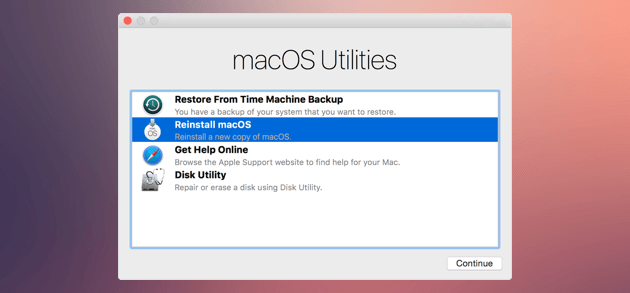
Restart Mac and simultaneously hold 'Command and R' keys together to bring up the macOS Utilities window.
Step 2: Erase Mac hard drive
Open Disk Utility and click 'Continue' > Select your startup disk (Macintosh HD) and click 'Erase' > Choose 'Mac OS Extended (Journaled)' and click 'Erase'.
Step 3: Reinstall macOS on your Mac computer
Repeat Step 1 to bring up macOS Utilities > Click 'Reinstall macOS' > Confirm to reinstall macOS and follow the onscreen instructions to complete the process.
When you finish the process, congratulations. You have successfully reinstalled your macOS and the Mac now works like a brand new computer.
#4. Restore Files from Backup
As for the data that you backed up in advance, you can apply Time Machine or EaseUS Todo Backup to bring them back on your Mac with your back up immediately.
Conclusion
This page covers 3 practical solutions to help you effectively restore files after factory reset Mac or reinstalling macOS/Mac OS X.
If you didn't create a backup before resetting Mac, take EaseUS Data Recovery Wizard for Mac as emergency rescue. It will fully scan and bring your lost files immediately.
If you are looking for a complete tutorial to reset MacBook Pro, check and follow the guide in the last part on this page. For more data recovery tips, please refer to Mac File Recovery on our site for help.
No matter how reliable your Mac, every once in awhile we encounter some problems. No system works perfectly. Sometimes freezes and slow performance can be fixed by simply restarting your Mac. Sometimes problems can be remedied by running a couple of tools. But sometimes issues are so severe you may have to completely restore your Mac operating system.While that may sound a little ominous, there’s no reason to panic. Restoring your Mac OS is pretty simple even for those who have limited computer troubleshooting knowledge.
Before you attempt any upgrades to your operating system or any software in general, backup all your files. Some OS restoring techniques will delete your hard drive. To learn more about backing up your Mac, go here .
What’s even better is there are four ways to restore your operating system, so there are always backup options in case one didn’t work. These options include restoring your OS from the Mac App Store, restoring it through macOS Recovery, restoring it via Internet Recovery Mode, and lastly, hooking up your machine to an external drive with a bootable version of your Mac OS.
Restore from Mac App Store
To restore from the Mac App Store:
1. Click on the Apple icon in the upper left corner of your screen.
2. Open the App Store.
3. Click on the Purchased tab in the Mac App Store window.
4. Look for your operating system from the list of purchased apps.
5. Click Download (you won’t be charged for reinstalling apps).
6. Click Continue to confirm that you want to install software that is already on your computer.
7. After the OS has been downloaded, click Install.
8. Wait for the installation to finish.
Start up from macOS Recovery
If you encountered issues downloading the Mac OS from the App Store, you can restore your operating system through macOS Recovery. This will allow you to choose which versions of macOS you want to install on your Mac.*
When initializing macOS Recovery, the following key combinations will allow you to install different macOS versions:
● Command-R restores the latest macOS that was installed on your Mac without upgrading to a later version.
● Option-Command-R upgrades to the latest macOS that is compatible with your Mac.
● Shift-Option-Command-R restores the macOS that came with your Mac or the version closest to it that is still available.
To initiate the restoration via the macOS Recovery
1. Start or restart your Mac.
2. Hold down any of the key combinations presented above.
3. Release the keys once you see the Apple logo or a spinning color wheel.
4. Wait for the macOS Utilities window to appear.
5. Continue to the next section and choose whether to erase your startup disk or begin reinstalling macOS.
Erase Startup Disk or Reinstall OS?
Erasing your startup disk prior to restoring your Mac OS is up to you, however, you might want to do this if:
1. Your computer is having an issue that Disk Utility can’t repair.
2. The macOS installer says that it can’t install on your computer or volume.
3. Your startup disk can’t be used to start your computer (this is likely to happen if you try to install an older macOS on top of a newer macOS).
REMEMBER, ONLY DO THIS IF YOU HAVE BACKED UP YOUR HARD DRIVE FIRST!
If you need to erase your startup disk,
1. Select Disk Utility from the utilities window of macOS Recovery.
2. Click Continue.
3. Select your startup disk in the sidebar of Disk Utility.
4. Make sure you select the disk name and not the volume name under it.
5. Click the Erase button or tab.
6. If you don’t see an erase button or tab, select the volume name under the disk name, then look again.
7. Complete these fields:
Name: Enter a name for your disk, such as “Macintosh HD”.
Format: Choose Mac OS Extended (Journaled).
Scheme (if available): Choose GUID Partition Map.
8. Click Erase to begin erasing your disk.
9. Once you’re done, quit Disk Utility to return to the utilities window.
10. You’re now ready to restore your macOS.
Restore your macOS
If you’re done erasing your startup disk or you think it’s not necessary, you may proceed with restoring your macOS.**
1. Choose Reinstall macOS (or Reinstall OS X) from the utilities window.
2. Click Continue, then follow the onscreen instructions.
3. Select a startup disk.
4. Click Install.
5. Provide your Apple ID to verify eligibility to install macOS if asked.
6. Wait for the installation to finish.
7. After the installation is finished, your Mac will restart.
Notes:
* If you’re selling or giving away a Mac running on OS X El Capitan or earlier, use Option-Command-R to make sure that your Apple ID will not be associated with the installation.
**If you erased your disk before restoring your OS, or you’re creating a new startup disk, your Mac will direct you to a setup assistant after restarting. If you’re keeping your Mac, you can just use your own information to finish the setup. If you’re selling or giving it away, press Command-Q to quit the setup assistant and finish the process.
Restoring Via Internet Recovery Mode
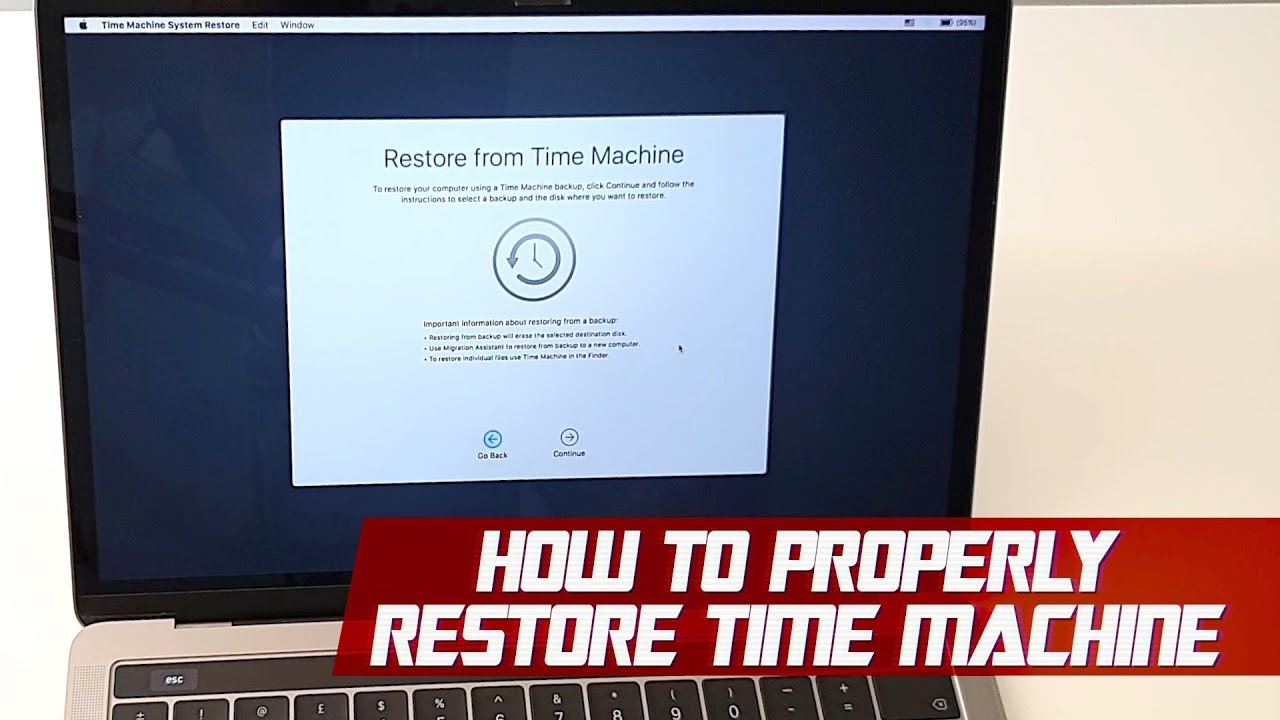
Sometimes, restoring your Mac OS via Recovery may not be possible – a damaged recovery partition being one of the possible reasons why. This is when Internet Recovery comes in handy.
Available on newer versions of Mac, the Internet Recovery mode is the internet-based counterpart of Recovery mode and works by downloading recovery tools from Apple’s servers into your Mac. Internet Recovery Mode, however, only allows you to restore the OS that came preinstalled on your Mac when you purchased it as opposed to Recovery Mode which allows you to restore the latest version of your OS.
If both of your Mac’s startup volume and its recovery partition are damaged or no longer work, the computer will automatically enter Internet Recovery Mode.
To start Internet Recovery Mode,
Python 3.4 download mac. Feb. April 20, 2020. 14, 2019. March 10, 2020.
1. Go to the Apple menu.
2. Click Restart or power on your Mac.
3. Hold down the Command – Option – R keys immediately after your Mac starts.
4. Release the keys when the globe appears on the screen.
5. Wait for the Wi-fi menu to appear.
6. When the Wi-Fi menu appears, choose a Wi-fi network to connect to.
7. Once you’re connected to the internet, your Mac will download a recovery system image from Apple’s servers and use it to start the recovery process (note that this can take anywhere between a few minutes to a couple of hours).
8. Wait for the Utilities window to appear.
9. Click Reinstall OS.
Please note that you can only restore your Mac OS on a Wi-fi or Ethernet connection using WPA/WPA2 authentication protocols. If you’re connected to a network using either WEP, WPA-Enterprise, PPPoE protocols or any proxies, you will need to change the network settings to the required configuration first before the recovery process can continue and make sure that it stays that way until the installation is complete.
If for one, reason or another, the Internet Recovery Mode didn’t work as well, you can also restore your Mac OS by using an external drive with a bootable copy of your Mac OS.
Restore Your Mac OS via External Drive (see subject below for instructions on installing macOS on an external drive)
If you install the Mac operating system on an external hard drive, thumb drive, or other storage device, you can use it to restore your OS instead of going through the other three options. Just make sure that your storage device has been properly formatted, preferably as Mac OS Extended, and not FAT, ExFAT, or NTFS.
You also need to confirm that it is using a GUID partition map to make sure that it can be used as a replacement for your startup disk.
To confirm:
1. Connect your external storage device to your Mac.
2. Choose Apple menu.
3. Click About This Mac.
4. Click the System Report button.
Alternatively, you can also:
1. Hold down the Option key.
2. Choose Apple menu.
3. Click System Information.
4. Select Storage from the sidebar.
5. Select storage device from the list of volumes.
Please make sure that the Partition Map Type shown for your storage device is GPT (GUID Partition Table).
Install macOS on Your Storage Device
Follow the same steps when restoring your macOS, but select your external storage device instead when the installer asks you to choose a destination disk.
After installing the operating system on a properly formatted storage device, choose one of these methods to use that device as the startup disk for your Mac.
Restore Mac Os Factory
Use Startup Disk preferences
If you use Startup Disk preferences to select a startup disk, your Mac will always use this disk to start until you choose a different one.
1. Choose Apple menu.
2. System Preferences.
3. Click Startup Disk.
4. Select your startup disk.
5. Restart your Mac.
Will icloud photos download to my mac. Use Startup Manager
If you use Startup Manager to select a startup disk, your Mac will start from this disk once, then return to using the default disk.
1. Hold down the Option key after starting your Mac.
2. Release the Option key when you see the Startup Manager window.
3. Select your startup disk, then click the arrow or press Return.
Problem Selecting Startup Disk
If you’re using third-party external devices, your Mac may have some trouble detecting it. Because of security concerns, some of these devices use Option ROM firmware that Mac computers with updated software don’t automatically load.
To fix this, just press Option-Shift-Command-Period at the Startup Manager window. Do this each time you want to start from the external device or from a startup disk connected to it.
If you don’t want to do this and you’re using an older Mac model (2015 and before), you can can disable this security feature and allow your Mac to load Option ROM firmware. However, beware that doing this may make your Mac vulnerable to unauthorized access.
To Download And Restore Macos Your Computer's Eligibility A Required Download Is Missing
To disable this feature,
1. Open the Terminal app in the Utilities folder of your Applications folder.
2. Type sudo nvram enable-legacy-orom-behavior=1, then press Return.
3. To undo this command, enter sudo nvram -d enable-legacy-orom-behavior.
Notes:
1. The amount of time that it will take to start your computer and complete the installation process will largely depend on your external device’s processing capabilities.
2. Should you wish to use an external USB drive as a startup disk, please remember that the drive must have Mac OS X Tiger v10.4.5 or later installed, and your Mac must have an Intel processor.
How To Reinstall Mac Os On Imac
3. If your Mac is using OS X Lion v10.7.3 or later, you can use Startup Manager to start from your Time Machine backup disk. You can find your Time Machine backup under the name ”EFI Boot.”